
Impact Stories
Local public health doesn’t happen in a vacuum. Impact Stories captures the full picture — from the work Oregon’s 33 local public health authorities do every day to the policies, partnerships, and community victories that make healthier lives possible. These are the stories that show why public health matters and what happens when communities invest in it.

Beyond Fighting Fires: The Public Health Story Behind Central Oregon’s Prescribed Burns
Published July 2026
Oregon’s wildfire seasons keep breaking records, but fighting fires after they start is only part of the answer. In Central Oregon, a public health modernization position at Deschutes County became the bridge between air quality regulators, forest managers, and public health agencies, helping increase prescribed burning in the West Bend area eightfold in a single year. Hear from Deschutes County Commissioner Phil Chang, who championed this work, and learn how the Deschutes County public health team turned a first-of-its-kind EPA pilot into a model for wildfire prevention statewide.

Washington County’s Flavored Tobacco Ban Upheld: A Victory Years in the Making
Published May 2026
The Oregon Supreme Court unanimously upheld Washington County’s ban on flavored tobacco products this month—a major win for Oregon’s largest Asian population and a victory that lands during both AAPI Heritage Month and Women’s Health Month. Learn about what the ban does, who it protects, and why local public health advocacy makes all the difference.
Alcohol Awareness Month: What Oregonians Need to Know About Excessive Drinking
Published 4/27/26
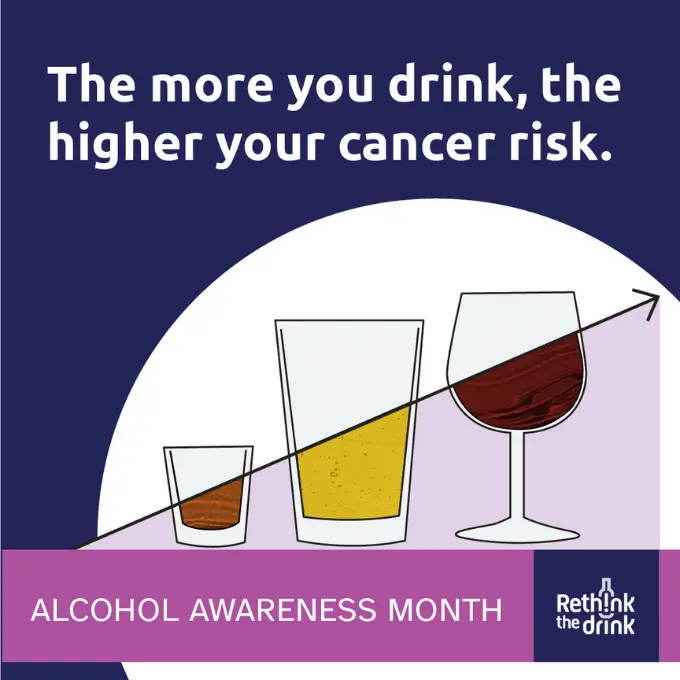
April is Alcohol Awareness Month. With one in five Oregon adults drinking excessively and more than 2,500 alcohol-related deaths each year, it’s time to rethink how alcohol shows up in our communities. Learn about the health risks, local public health’s prevention work, and how small actions can create healthier spaces for everyone.

Local Public Health Wins from Oregon’s 2026 Legislative Session
Published 3/16/26
Oregon’s 35-day short session moved fast, but local public health kept pace. Six bills supported by CLHO passed both chambers of the Oregon Legislature, spanning vaccine access, smoke-free housing, HPV prevention, mobile pharmacy services, and school safety — with the state budget protecting Public Health Modernization funding along the way. This impact story breaks down what passed, what didn’t, and the legislative champions who showed up for Oregon’s communities when it mattered most.

Celebrating Oregon’s Public Health Champions: 2025 Legislative Scorecard
Despite a challenging 2025 legislative session with no new public health funding, dedicated legislators stepped up as champions for Oregon’s communities. CLHO’s first-ever Legislative Scorecard recognizes 16 lawmakers who demonstrated exceptional leadership and commitment to public health infrastructure. While critical bills never reached full votes, these champions laid essential groundwork for future advocacy success—proving that supporting public health is a long game worth playing.

CLHO Board Member Appointed to State Alcohol and Drug Policy Commission
Dr. Tim Lynch, CLHO Board Member and Coos County Public Health Director, brings local public health perspectives to Oregon’s statewide substance use policy table. As a newly appointed member of the Alcohol and Drug Policy Commission, Dr. Lynch’s unique combination of clinical expertise, rural health experience, and community engagement ensures that the realities of local implementation inform state-level prevention strategies—a significant win for Oregon’s 33 local public health authorities.

Innovations in Mobile Health: Bringing Services to Communities
Oregon counties are breaking down barriers by delivering health services where people live, work, and gather. CLHO’s December 2025 webinar showcased real-world innovations—from tri-county mobile apps tracking service locations to community paramedicine programs reducing hospital visits. These mobile units do more than provide clinical care; they build trust, raise awareness, and advance health equity by meeting communities exactly where they are.